How Does Bariatric Surgery Affect Digestive Health?
Bariatric surgery can change how the digestive system handles food, nutrients, and appetite signals, making digestive health an important part of the recovery process. For people exploring Bariatric Surgery in Dubai, understanding these changes can help them prepare for dietary adjustments and long-term nutritional care. Dynamic Clinic in Dubai provides bariatric care for individuals considering surgical weight-management options, with treatment planning based on individual health needs.
What Changes in the Digestive System After Bariatric Surgery?
Bariatric procedures alter the stomach, and some operations also change the route food takes through part of the small intestine. These changes reduce stomach capacity, influence digestion, and may affect how quickly food reaches the intestine.The exact digestive effects depend on the type of procedure. Common bariatric operations include:
- Sleeve gastrectomy: Reduces the size of the stomach without rerouting the intestines.
- Gastric bypass: Creates a smaller stomach pouch and redirects food around part of the small intestine.
- Adjustable gastric banding: Places a band around the upper stomach to restrict food intake.
Because each procedure affects the gastrointestinal tract differently, digestive symptoms and nutritional requirements can vary.
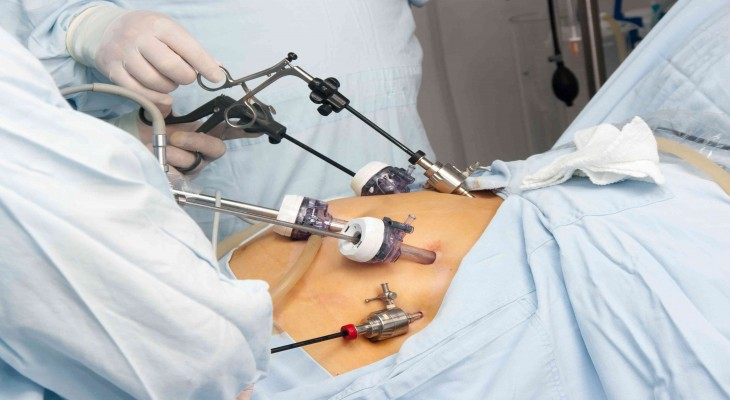
How Does Bariatric Surgery Affect Digestion?
After surgery, the stomach can hold substantially less food. Eating large portions may therefore cause discomfort, nausea, vomiting, or abdominal pressure. Patients usually need to eat smaller portions slowly and follow a structured progression from liquids to soft foods and eventually regular textures.Some people also experience changes in bowel habits. Constipation may occur because of reduced food intake, lower fibre consumption, dehydration, reduced physical activity, or certain supplements. Others may develop loose stools, particularly after procedures that alter intestinal absorption.
Can Bariatric Surgery Cause Acid Reflux?
The relationship between bariatric surgery and acid reflux depends on the procedure and the individual's existing digestive condition. Sleeve gastrectomy can cause or worsen reflux in some patients, while gastric bypass may improve reflux symptoms for certain individuals.Persistent heartburn, regurgitation, difficulty swallowing, or upper abdominal discomfort should be discussed with a healthcare professional. These symptoms may require dietary adjustments, medication, or further assessment.
What Happens to Nutrient Absorption?
Nutrient absorption is one of the most important digestive considerations after bariatric surgery. Procedures that bypass part of the small intestine can reduce the amount of certain vitamins and minerals absorbed from food.Depending on the procedure and individual needs, nutritional monitoring may include:
- Iron
- Vitamin B12
- Folate
- Calcium
- Vitamin D
- Protein
- Other essential micronutrients
Regular blood tests and prescribed supplements can help identify and manage nutritional deficiencies. Patients should follow their bariatric team's supplementation plan rather than relying on symptoms alone.
How Does Bariatric Surgery Affect Appetite and Food Tolerance?
Digestive changes are not limited to physical stomach capacity. Bariatric surgery can also influence hormonal and neurological signals involved in hunger and fullness. Some patients experience reduced appetite and feel satisfied after eating smaller quantities.Food tolerance can also change. Foods that were previously easy to consume may cause discomfort after surgery, particularly when eaten too quickly or in large portions. High-sugar or high-fat foods may trigger digestive symptoms in some people, especially after gastric bypass.
What Eating Habits Support Digestive Health?
Long-term digestive health after bariatric surgery depends heavily on eating habits. A gradual and structured approach allows the digestive system to adapt while helping the body receive adequate nutrition.Helpful practices may include:
- Eating small meals according to the recommended schedule.
- Chewing food thoroughly before swallowing.
- Eating slowly rather than rushing meals.
- Staying adequately hydrated while following guidance about drinking around meals.
- Prioritising protein-rich foods when advised.
- Introducing higher-fibre foods gradually as tolerated.
- Taking prescribed vitamins and mineral supplements consistently.
- Limiting foods that repeatedly trigger discomfort or digestive symptoms.
When Should Digestive Symptoms Be Checked?
Mild changes in bowel habits, appetite, and food tolerance can occur during recovery. However, persistent or severe symptoms should not be ignored. Repeated vomiting, severe abdominal pain, ongoing diarrhoea, difficulty swallowing, dehydration, or significant nutritional problems require prompt medical assessment.Regular follow-up is also important because some nutritional deficiencies can develop gradually without obvious symptoms. Ongoing monitoring allows dietary plans and supplements to be adjusted when necessary.
Conclusion
Bariatric surgery can significantly influence digestive health by changing stomach capacity, food tolerance, appetite signals, bowel habits, and, with certain procedures, nutrient absorption. Understanding these effects helps patients make appropriate dietary adjustments and maintain nutritional health. Consistent follow-up, balanced nutrition, adequate hydration, supplementation when prescribed, and attention to persistent digestive symptoms are important components of long-term care after bariatric surgery.
