How Does Laser Liposuction Affect Fat Cells?
Understanding how fat cells respond to treatment can help explain what happens during body-contouring procedures. Laser Liposuction Dubai is a minimally invasive technique that uses laser energy to affect targeted fatty tissue, with the treatment approach assessed according to the individual’s anatomy and goals. In Dubai, Dynamic Clinic provides access to aesthetic treatment options that may include laser-assisted body contouring.
What Happens to Fat Cells During Laser Liposuction?
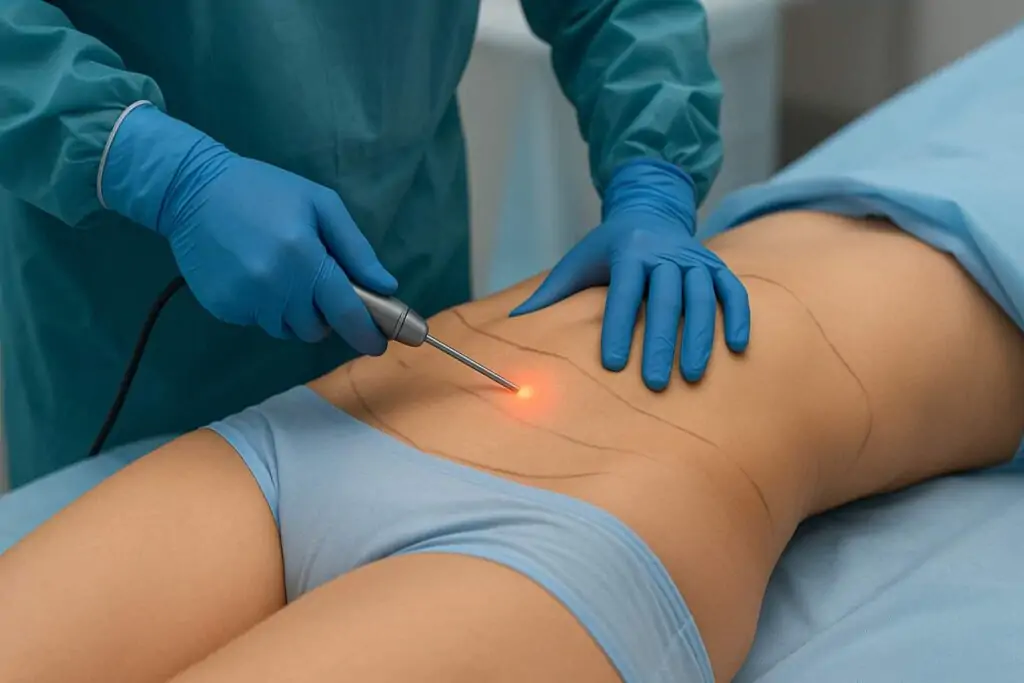
Laser liposuction uses controlled thermal energy beneath the skin to interact with localized fat deposits. A thin laser fiber is introduced into the treatment area, allowing energy to be delivered close to the fatty tissue. The heat can disrupt fat cells and change the physical properties of the surrounding tissue, making the fat easier to remove through suction.Unlike treatments designed primarily to reduce the size of individual fat cells without removing them, liposuction involves physically extracting treated fat from the body. The laser component is used as part of the process to assist with tissue disruption and fat removal.
Does Laser Energy Destroy Fat Cells?
Laser energy can damage the membranes of fat cells exposed to sufficient thermal energy. During laser-assisted liposuction, the targeted fat is disrupted before it is removed through a cannula.This distinction is important because the procedure is not simply heating fat and leaving all of it inside the body. The treatment combines laser energy with suction to remove a portion of the fat from the selected area.The response of fat tissue depends on factors such as:
- The amount of energy delivered
- Treatment depth
- Characteristics of the fatty tissue
- Treatment area
- Individual anatomy
- The technique used by the treating professional
How Does Heat Change Fat Tissue?
The thermal effect of laser energy can make fatty tissue softer and easier to manipulate. Heat may also affect connective tissue surrounding the fat compartment.Because the laser is delivered beneath the skin, the energy can be directed toward a specific layer rather than applied broadly across the skin surface. Treatment parameters need to be selected carefully to control the amount of thermal exposure.The purpose is to affect the intended tissue while limiting unnecessary heating of surrounding structures.
What Happens to the Removed Fat Cells?
Once disrupted fat is suctioned from the treatment area, those particular fat cells are physically removed from the body. Mature fat cells generally do not regenerate in the same way as many other cell types.However, remaining fat cells can still enlarge if a person gains weight. For this reason, laser liposuction is considered a body-contouring procedure rather than a substitute for overall weight management.The treated area can continue to contain fat cells after the procedure, even when a portion of the localized fat has been removed.
Can Fat Cells Come Back After Treatment?
The exact fat cells removed during liposuction do not simply return as the same cells. However, changes in body weight can influence the remaining fat cells.Weight gain may cause existing fat cells to increase in size. Fat can also accumulate in areas that were not treated. Maintaining a stable body weight therefore remains relevant to preserving the changes achieved through body contouring.This biological response explains why liposuction is generally used for localized fat deposits rather than generalized weight reduction.
Does Laser Liposuction Affect the Skin Too?
The effect of laser-assisted treatment is not limited to fat tissue. Because laser energy produces heat beneath the skin, it can also interact with nearby connective tissue.Thermal energy may influence collagen-containing structures within the treated area. Collagen is an important structural protein that contributes to skin firmness and elasticity. The extent of any skin response can vary between individuals and depends on treatment technique, tissue characteristics, and the degree of existing skin laxity.Laser-assisted liposuction should therefore be planned according to both the fatty layer and the condition of the overlying skin.
Why Is Treatment Depth Important?
Fat is arranged in different layers beneath the skin, and its distribution varies between body areas and individuals. Delivering energy at an inappropriate depth may affect tissues that are not intended to be treated.A professional assessment helps determine the relevant tissue layer and the treatment approach. Areas commonly considered for localized fat contouring can include the abdomen, flanks, thighs, arms, and other body regions, depending on individual suitability.
What Determines the Response of Fat Cells?
Not every person responds to laser-assisted liposuction in exactly the same way. Several factors influence how the treated tissue behaves, including:
- Fat distribution: Localized deposits can differ in thickness and density.
- Skin condition: Skin elasticity can influence the overall contour after fat removal.
- Treatment settings: Energy level and delivery method affect thermal exposure.
- Treatment area: Different anatomical regions have different tissue characteristics.
- Individual biology: Healing and tissue responses naturally vary among people.
These factors make individualized assessment an important part of treatment planning.
Is Laser Liposuction a Weight-Loss Treatment?
Laser liposuction is primarily intended for body contouring and localized fat reduction. It is not designed to treat obesity or replace nutritional management and physical activity.People considering the procedure should have realistic expectations about what fat removal can and cannot accomplish. A consultation can help determine whether localized fat is suitable for surgical or minimally invasive contouring and whether another approach may be more appropriate.
Conclusion
Laser liposuction affects fat cells through controlled thermal energy followed by removal of treated fat tissue. The laser can disrupt targeted fat cells and alter the consistency of the fatty layer, while suction physically removes the selected tissue. Remaining fat cells can still enlarge with significant weight gain, making long-term weight stability relevant after treatment. Understanding these cellular and tissue-level effects provides a clearer picture of what laser-assisted liposuction is designed to accomplish.
