How Keloid Treatment Is Performed Step by Step
Keloid scars can continue to grow beyond the boundaries of the original injury, causing cosmetic concerns and, in some cases, discomfort. Understanding how keloid treatment is performed step by step helps patients make informed decisions about available treatment options and what to expect during the process. For individuals seeking specialized care, Keloid Treatment in Dubai has become an increasingly researched topic, with facilities such as Dynamic Clinic in Dubai contributing to the growing awareness of advanced scar management techniques.
Understanding Keloids Before Treatment
A keloid is a type of raised scar that develops when the body produces excessive collagen during the healing process. Unlike regular scars, keloids may continue expanding over time and can appear after surgery, acne, burns, piercings, or minor skin injuries.Before beginning treatment, specialists evaluate several factors, including:
- The size and thickness of the keloid
- The location of the scar
- The patient's medical history
- Previous scar treatments
- Symptoms such as itching, tenderness, or discomfort
- The likelihood of recurrence
This assessment helps determine the most suitable treatment approach for each individual case.
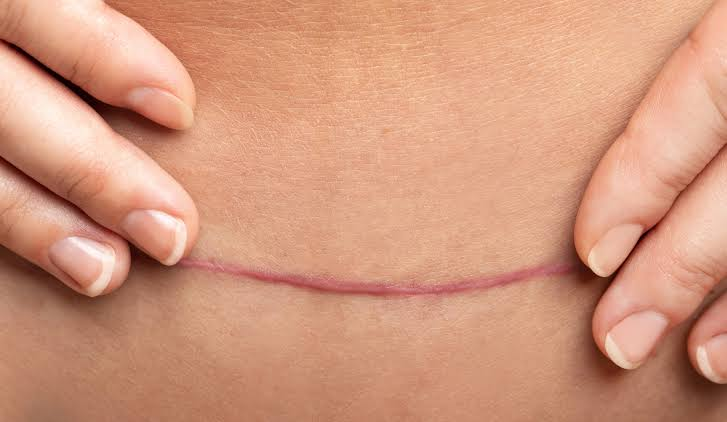
Step 1: Initial Consultation and Skin Assessment
The first stage of keloid treatment involves a detailed examination of the scar tissue. During this assessment, the specialist evaluates the color, texture, thickness, and growth pattern of the keloid.Diagnostic evaluation may include:
- Visual examination
- Physical assessment of scar elasticity
- Review of previous injuries or surgeries
- Discussion of treatment expectations
Photographic documentation is often used to monitor treatment progress over time.
Step 2: Developing a Personalized Treatment Plan
Since no two keloids are exactly alike, treatment plans are customized according to the patient's condition. The specialist determines whether a single treatment method or a combination approach will produce the most effective results.Common treatment strategies may include:
- Corticosteroid injections
- Laser therapy
- Cryotherapy
- Pressure therapy
- Silicone-based treatments
- Surgical removal combined with preventive therapies
Combination treatments are frequently recommended because they can help reduce the risk of recurrence.
Step 3: Preparing the Treatment Area
Before the procedure begins, the affected area is carefully prepared. The preparation process depends on the selected treatment method and the size of the keloid.Preparation may involve:
- Cleaning and disinfecting the treatment site
- Applying topical numbing agents if necessary
- Marking the treatment boundaries
- Taking baseline measurements and photographs
This step helps ensure treatment accuracy while improving patient comfort.
Step 4: Administering the Primary Keloid Treatment
The main treatment stage varies depending on the chosen technique.
Corticosteroid Injections
Steroid injections are among the most commonly used treatments for keloids. The medication is injected directly into the scar tissue to reduce inflammation and suppress excessive collagen production. Multiple sessions are often scheduled several weeks apart.
Laser Therapy
Laser treatment targets the blood vessels supplying the keloid and helps improve scar texture and appearance. Different laser technologies may be used depending on the characteristics of the scar.
Cryotherapy
Cryotherapy involves freezing the keloid tissue using extremely low temperatures. This technique is particularly effective for smaller or raised keloids and may be combined with other treatments.
Surgical Excision
In some cases, surgical removal of the keloid is recommended. Because keloids have a tendency to recur, surgery is typically followed by additional therapies to minimize the chances of regrowth.
Step 5: Post-Treatment Care and Monitoring
After the procedure, patients receive detailed aftercare instructions designed to support healing and reduce complications. Proper post-treatment care plays a significant role in achieving optimal outcomes.Aftercare recommendations may include:
- Keeping the treated area clean
- Avoiding unnecessary friction or pressure
- Using prescribed topical products
- Attending scheduled follow-up appointments
- Protecting the area from excessive sun exposure
The healing process varies depending on the treatment method and the size of the keloid.
Step 6: Follow-Up Sessions and Long-Term Management
Keloid treatment often requires multiple sessions to achieve noticeable improvement. Regular follow-up appointments allow specialists to monitor progress and make adjustments when necessary.Long-term management strategies may include:
- Additional steroid injections
- Maintenance laser sessions
- Silicone gel applications
- Compression therapy
- Scar monitoring evaluations
Continuous observation helps reduce the likelihood of recurrence and supports long-term scar improvement.
What Results Can Patients Expect?
Treatment outcomes vary according to the size, age, and location of the keloid. Most patients experience gradual improvements in:
- Scar thickness
- Redness and discoloration
- Texture irregularities
- Itching and discomfort
- Overall appearance of the affected area
Early intervention often contributes to more favorable outcomes and easier management.
Frequently Asked Questions
How long does keloid treatment usually take?
The duration depends on the treatment method and the severity of the keloid. Some patients require several sessions spread over weeks or months to achieve optimal results.
Is keloid treatment performed in one session?
Most keloid treatments involve multiple sessions, particularly when injections, laser therapy, or combination treatments are used.
Can keloids return after treatment?
Yes, keloids can recur after treatment. Specialists often combine multiple treatment methods and long-term monitoring strategies to reduce recurrence risk.
Which treatment method is considered most effective?
There is no single treatment that works for every patient. The most effective approach depends on the keloid's size, location, and individual patient factors.
When should someone seek treatment for a keloid?
Consultation is recommended when a keloid continues to grow, causes discomfort, restricts movement, or creates cosmetic concerns.
Conclusion
Understanding how keloid treatment is performed step by step allows patients to approach treatment with realistic expectations and greater confidence. From the initial assessment and personalized planning to treatment sessions and follow-up care, every stage plays an important role in managing keloid scars effectively and supporting long-term skin improvement.
