How Long Does Recovery Take After a Vampire Facial?
Recovery after a Vampire Facial is usually a gradual process, with the skin moving through several visible stages as it settles and begins its natural renewal response. Most people experience temporary redness, sensitivity, and mild swelling before the skin starts to look calmer and more refreshed.Vampire Facial in Dubai is a popular skin rejuvenation approach for people seeking to support skin texture and overall radiance. At Dynamic Clinic in Dubai, individuals can learn about the treatment process and the recovery considerations involved before planning their session.
Quick Answer: What Is the Typical Recovery Timeline?
The most noticeable recovery changes often occur during the first few days. Redness and sensitivity may be more apparent immediately after treatment, while mild dryness, tightness, or flaking can develop as the skin recovers.A general recovery pattern may include:
- First 24 hours: Redness, warmth, and sensitivity may be noticeable
- Days 2–3: The skin may remain pink or feel tight and dry
- Days 3–5: Mild flaking or surface dryness may occur
- Around one week: Many visible treatment-related changes have settled
- Following weeks: Ongoing skin renewal may continue as part of the natural response
Recovery can vary according to individual skin characteristics, treatment intensity, aftercare, and environmental exposure.
Why Does the Skin Need Time to Recover?
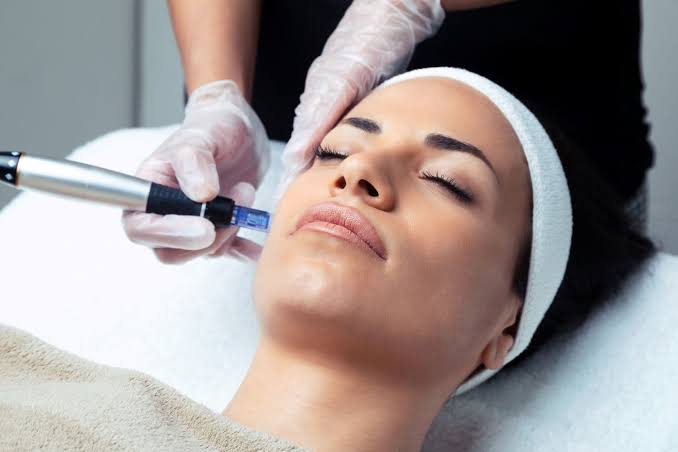
A Vampire Facial typically involves techniques designed to create controlled stimulation in the skin while using platelet-rich plasma as part of the treatment process. The skin needs time to respond to this stimulation and restore its surface barrier.Immediately after treatment, increased circulation and temporary inflammation can contribute to redness and warmth. These early changes are part of the body's normal response to controlled skin stimulation.As recovery continues, the surface of the skin gradually becomes calmer. Natural repair processes may continue beneath the surface for longer than the visible recovery period, which is why changes in skin texture and appearance may develop gradually.
The First Day: What Should You Expect?
The first 24 hours are often the most noticeable part of Vampire Facial recovery. The skin may appear red and feel warm, similar to the sensation experienced after significant sun exposure. Some people may also notice mild swelling or tenderness.During this stage, it is generally important to avoid unnecessary contact with the treated area. The skin can be temporarily more sensitive, so harsh products, friction, and excessive heat may cause additional irritation.Makeup and other products may also need to be avoided for a period based on the specific aftercare guidance provided for the treatment.
Days Two to Four: How Does the Skin Change?
After the initial redness begins to settle, the skin may feel dry, tight, or slightly rough. Some individuals experience mild flaking as the surface barrier continues to recover.These changes do not occur in exactly the same way for everyone. People with sensitive skin may experience visible redness for longer, while others may notice that the skin settles more quickly.Environmental conditions in Dubai can also be an important consideration. Sun exposure, heat, and dry conditions may increase skin sensitivity during recovery, making careful sun protection particularly relevant.
When Can You Return to Daily Activities?
Many people can return to routine activities relatively soon, but visible redness may influence when they feel comfortable attending social or professional events.The timing for resuming specific activities can depend on the activity itself. During early recovery, it may be advisable to limit:
- Intense exercise that causes heavy sweating
- Direct sun exposure
- Hot showers, saunas, and steam rooms
- Swimming in pools or open water
- Exfoliating skincare products
- Picking or rubbing areas that are dry or flaky
Normal skincare routines may also need temporary adjustments because ingredients that are usually well tolerated can feel more irritating on recently treated skin.
What Factors Can Affect Vampire Facial Recovery?
Recovery is not determined by one factor alone. Several elements can influence how quickly the skin settles and how noticeable the recovery period is.
Skin Sensitivity
Naturally sensitive or reactive skin may remain red or irritated for longer than less reactive skin.
Treatment Intensity
The techniques used and the level of skin stimulation can influence the degree of temporary redness, dryness, and sensitivity.
Aftercare Habits
Following appropriate skincare and activity guidance can help reduce unnecessary irritation during the recovery period.
Sun and Heat Exposure
Excessive ultraviolet exposure and heat can place additional stress on recovering skin. Consistent sun protection is particularly important in sunny climates.
Individual Healing Response
Every person's skin responds differently to controlled stimulation, and recovery timelines can vary even when the same general treatment approach is used.
When Does the Skin Start Looking More Settled?
For many people, the most visible redness and sensitivity improve within several days. However, a calmer appearance does not necessarily mean that all biological recovery processes have ended.The skin may continue its natural renewal response over the following weeks. This is why the recovery period and the time needed for visible changes in skin quality are not always the same.Patience is important when evaluating the skin after treatment because early dryness, temporary texture changes, or mild redness can affect how the skin looks during the first stage of recovery.
How Can You Support the Recovery Process?
Simple aftercare practices can help protect the skin while it is temporarily more sensitive. The exact routine should depend on individual treatment guidance, but common considerations may include gentle cleansing, avoiding unnecessary friction, and protecting the skin from direct sunlight.It is also important to avoid introducing strong active ingredients too soon. Products containing exfoliating acids, retinoids, or other potentially irritating ingredients may need to be paused until the skin has adequately settled.If redness, swelling, discomfort, or other changes seem unusually severe or persist longer than expected, seeking appropriate professional guidance can help determine the next steps.
Frequently Asked Questions
How long does redness last after a Vampire Facial?
Redness is often most noticeable during the first day and may gradually improve over the next several days. Individual recovery can vary based on skin sensitivity and treatment intensity.
Can I wear makeup after a Vampire Facial?
Makeup may need to be avoided during the early recovery period to reduce irritation and unnecessary contact with the treated skin. The appropriate timing depends on the aftercare instructions provided.
When can I exercise after a Vampire Facial?
Strenuous exercise may be postponed temporarily because heat and sweating can increase irritation while the skin is sensitive.
Does a Vampire Facial cause peeling?
Some people may experience mild dryness or flaking during recovery, although the extent of these changes varies from person to person.
How long should I protect my skin from the sun?
Sun protection is important during recovery and should remain part of an ongoing skincare routine, especially after treatments that temporarily increase skin sensitivity.
Conclusion
Recovery after a Vampire Facial often follows a short visible healing phase, with redness and sensitivity gradually settling over the first several days. Surface recovery may occur relatively quickly, while the skin's natural renewal processes can continue beyond the initial recovery period. Individual factors, treatment techniques, aftercare, and environmental exposure can all influence how the skin responds, making personalized guidance important for understanding the expected recovery timeline.
