What Factors Affect the Choice of Acne Treatment?
Choosing the right acne treatment depends on more than the number of spots on the skin. Acne type, severity, skin sensitivity, age, previous treatment response, and the presence of scarring can all influence the most suitable approach. For people exploring Acne Treatment Dubai, understanding these factors can make treatment discussions more focused. Dynamic Clinic in Dubai provides a relevant clinical setting for people seeking professional assessment of different acne concerns.
Acne Type Is the Starting Point
Acne does not look the same in every person. Some people mainly develop blackheads and whiteheads, while others experience red, inflamed pimples, pustules, or deeper nodules. Treatment selection therefore starts with identifying the dominant type of acne.Common acne patterns include:
- Comedonal acne: Mainly blackheads and whiteheads caused by clogged pores.
- Inflammatory acne: Red, swollen papules and pustules.
- Nodular or cystic acne: Deeper, painful lesions that may have a higher risk of scarring.
- Acne with pigmentation: Breakouts accompanied by lingering dark marks after inflammation.
Different acne patterns may respond differently to topical skincare, prescription therapies, procedures, or combinations of approaches.
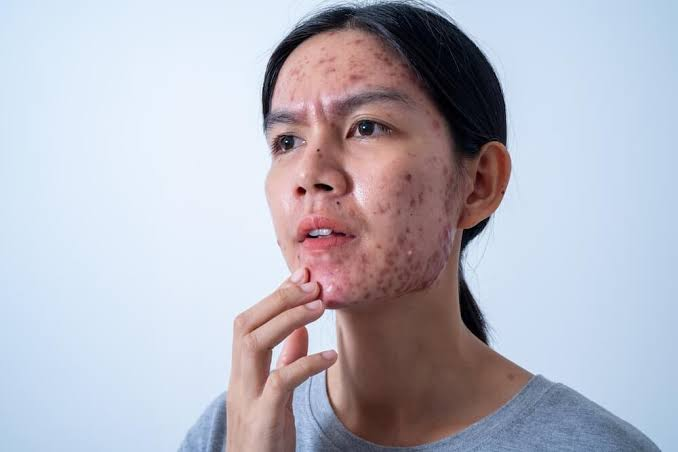
Severity Can Change the Treatment Approach
The extent of acne is another major consideration. Mild acne may involve a limited number of clogged pores or occasional blemishes, whereas moderate or severe acne can involve widespread inflammation and deeper lesions.Severity is assessed by looking at factors such as:
- The number and type of active lesions.
- How frequently new breakouts appear.
- Whether inflammation extends across several areas.
- Whether painful or deep lesions are present.
- Whether acne is leaving scars or persistent marks.
More extensive acne may require a more structured treatment plan and closer professional monitoring.
Skin Sensitivity Matters
A treatment that works well for one person may irritate another person's skin. Dryness, redness, sensitivity, previous reactions, and the current skincare routine can all affect treatment choices.People with sensitive or easily irritated skin may need a gradual approach. Introducing several strong active ingredients at once can increase irritation and make acne-prone skin harder to manage. A professional assessment can help determine which ingredients or procedures are appropriate for the individual's skin condition.
Previous Treatments Provide Important Clues
Treatment history can help explain what may or may not be appropriate next. Someone who has never treated acne may have different options from someone who has already tried several topical products or procedures without sufficient improvement.A clinician may consider:
- Previous acne medications or skincare products
- How long each treatment was used
- Whether the skin improved or became irritated
- Whether acne returned after stopping treatment
- Any previous procedures for acne or acne scars
This information helps prevent unnecessary repetition and supports a more individualized treatment strategy.
Scarring Risk Can Influence Decisions
Active acne and acne scarring are related but separate concerns. Deep inflammatory acne can increase the likelihood of permanent textural changes, particularly when lesions are repeatedly picked or squeezed.If scarring is already present, treatment planning may need to address both active breakouts and residual skin changes. Dark marks, uneven texture, and depressed scars can require different approaches, so identifying the primary concern is important.
Age, Hormones, and Lifestyle May Be Relevant
Age and hormonal changes can influence acne patterns. Adolescents may experience increased oil production during puberty, while adults can develop recurring acne influenced by hormonal fluctuations and other factors.Lifestyle can also affect how manageable acne is. Stress, sleep patterns, skincare habits, cosmetics, sweating, and exposure to environmental factors may all be relevant when evaluating recurring breakouts. These factors do not necessarily cause acne on their own, but they can influence individual skin behavior and treatment needs.
Location and Climate Can Affect Skin Management
For people living in Dubai, environmental conditions can also be considered when developing an acne-care routine. Heat, humidity, sweating, sun exposure, and frequent use of sunscreen or cosmetics can affect how the skin feels and behaves.This does not mean that climate determines the treatment itself. Instead, it can influence supporting skincare measures, including cleansing, moisturising, sun protection, and product selection for acne-prone skin.
When Should Acne Be Professionally Assessed?
Professional assessment becomes particularly useful when acne is painful, persistent, widespread, repeatedly returning, or associated with scarring. It is also worth seeking guidance when over-the-counter products have not produced adequate improvement or are causing significant irritation.A proper evaluation can distinguish acne from other skin conditions that may appear similar and can help determine whether topical care, medical treatment, in-office procedures, or a combination is appropriate.
Conclusion
The choice of acne treatment is shaped by several interconnected factors rather than one visible symptom. Acne type and severity provide the clinical foundation, while skin sensitivity, previous treatment response, scarring, age, hormonal influences, lifestyle, and environmental conditions can further refine the approach. An individualized assessment is therefore important when deciding how acne should be managed and which treatment options may be suitable.
