What Factors Influence the Success of Beard transplants?
A well-defined beard has become an important part of personal style and grooming for many men in the UAE. As interest in facial hair restoration continues to grow, understanding the factors that influence treatment outcomes has become increasingly important for individuals considering the procedure. Dynamic Clinic in Dubai is among the healthcare providers offering facial hair restoration services in the region.Beard transplants in Dubai have gained significant attention due to advancements in hair restoration techniques, experienced practitioners, and the increasing demand for natural-looking facial hair enhancement. However, achieving successful results depends on several medical, biological, and lifestyle-related factors that can directly affect the final outcome.
Understanding Beard Transplant Success
The success of a beard transplant is generally measured by the survival rate of transplanted hair follicles, the natural appearance of beard growth, and patient satisfaction. While modern techniques have improved outcomes considerably, individual results vary based on several important considerations.A successful beard transplant should produce facial hair that blends naturally with existing beard patterns, maintains long-term growth, and complements the individual's facial structure.
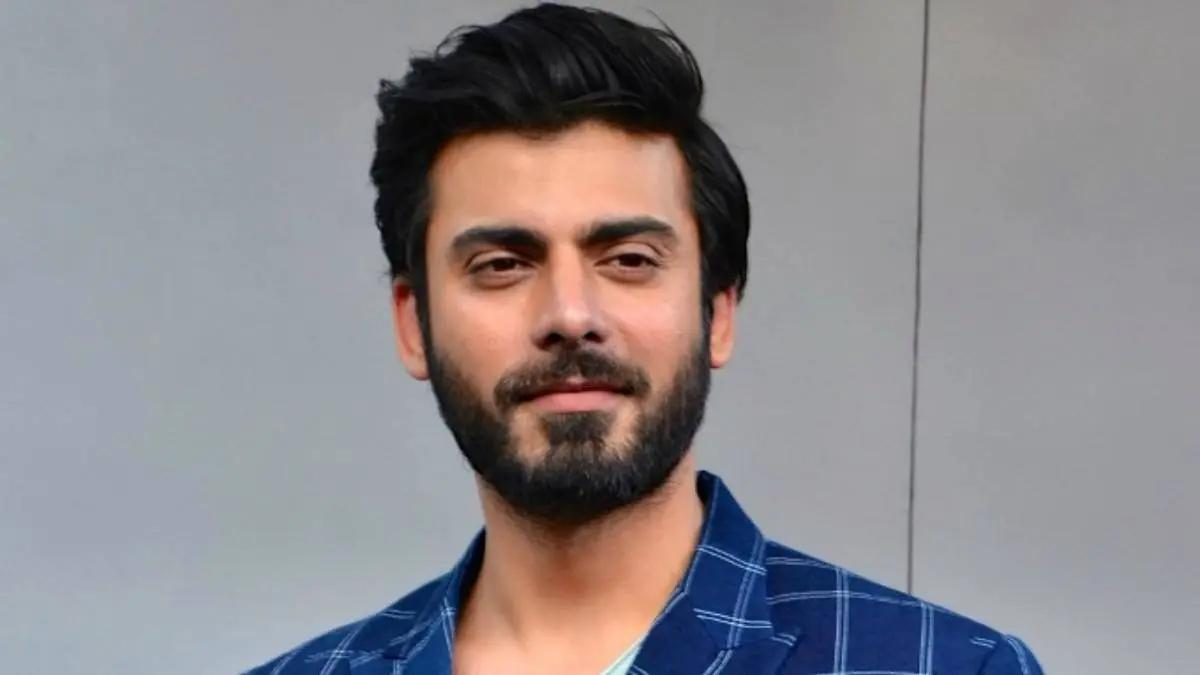
Quality of Donor Hair
One of the most significant factors affecting beard transplant success is the quality of the donor hair. In most cases, hair follicles are extracted from the back or sides of the scalp because these areas contain genetically stable hair.Several donor hair characteristics influence the final outcome:
- Hair thickness and texture
- Hair density in the donor area
- Similarity between scalp and beard hair
- Overall health of the hair follicles
- Availability of sufficient donor grafts
Individuals with thicker hair often achieve fuller-looking beard results because each transplanted follicle provides greater visual density.
Surgical Technique and Precision
The technique used during the procedure plays a critical role in determining the appearance and survival of transplanted follicles. Precise placement of grafts ensures that the beard grows in the correct direction and matches natural facial hair patterns.Important technical considerations include:
- Proper angle of follicle implantation
- Accurate distribution of graft density
- Careful handling of extracted follicles
- Strategic beard design planning
- Minimizing trauma during transplantation
Even minor variations in implantation angles can significantly impact the natural appearance of the final beard.
Individual Healing Response
Every person's body heals differently, which directly affects beard transplant outcomes. The body's ability to establish blood supply to newly transplanted follicles is essential for long-term hair survival.Factors that may influence healing include:
- Age and general health
- Skin quality and elasticity
- Blood circulation
- Immune response
- Presence of underlying medical conditions
Healthy skin tissue creates a more favorable environment for transplanted follicles to establish themselves successfully.
Existing Facial Hair Pattern
Natural beard growth patterns vary considerably among individuals. Understanding these patterns helps create a realistic treatment plan and improves aesthetic outcomes.Areas commonly evaluated include:
- Beard density distribution
- Facial symmetry
- Jawline structure
- Hair growth direction
- Presence of patchy areas
Customized planning based on facial anatomy contributes significantly to achieving natural-looking results.
Experience and Treatment Planning
Comprehensive treatment planning is essential for successful beard restoration. Proper assessment before the procedure allows realistic expectations and personalized design strategies.A thorough evaluation typically includes:
- Examination of donor hair availability
- Assessment of facial structure
- Analysis of beard growth patterns
- Review of medical history
- Discussion of aesthetic goals
Detailed planning helps determine the appropriate number of grafts and the best approach for each individual case.
Post-Procedure Care and Recovery
Following aftercare recommendations plays a major role in transplant success. Newly transplanted follicles require protection during the initial healing period to maximize survival rates.Patients are generally advised to:
- Avoid touching the transplanted area
- Follow cleansing instructions carefully
- Protect the skin from excessive sun exposure
- Avoid strenuous physical activity temporarily
- Attend scheduled follow-up appointments
Proper aftercare supports healing and helps preserve the integrity of transplanted follicles.
Lifestyle Factors That Affect Results
Lifestyle habits can influence both healing and long-term beard growth outcomes. Maintaining healthy routines before and after treatment supports optimal recovery.Several lifestyle factors may impact success:
- Smoking habits
- Nutritional status
- Sleep quality
- Stress levels
- Hydration and overall wellness
A healthy lifestyle can contribute to better healing conditions and improved follicle survival.
Setting Realistic Expectations
Realistic expectations are an important part of patient satisfaction. Beard transplants typically require time before final results become visible, as transplanted follicles undergo natural growth cycles.Patients should understand that:
- Initial shedding can occur after transplantation
- New growth develops gradually
- Hair density improves over time
- Final outcomes vary between individuals
- Additional sessions may sometimes be considered
Understanding the recovery timeline helps patients evaluate their progress more accurately.
Frequently Asked Questions
How long does it take to see beard transplant results?
Initial growth may begin several months after the procedure, while fuller and more mature results typically continue developing over an extended period as transplanted follicles complete their natural growth cycle.
Does donor hair quality affect beard transplant success?
Yes. The thickness, density, and health of donor hair significantly influence the appearance and survival rate of transplanted follicles.
Can lifestyle habits impact beard transplant outcomes?
Certain lifestyle factors, including smoking, poor nutrition, and inadequate sleep, may affect healing and follicle survival after the procedure.
Why is beard design important during transplantation?
Proper beard design ensures that transplanted hair follows natural growth patterns, creating a balanced and aesthetically pleasing appearance.
Are beard transplant results permanent?
Transplanted follicles are generally selected from stable donor areas, allowing them to continue growing long-term after successful implantation.
Conclusion
The success of a beard transplant depends on a combination of factors, including donor hair quality, surgical precision, individual healing response, lifestyle habits, and personalized treatment planning. Understanding these variables allows individuals considering beard transplants in Dubai to make informed decisions while developing realistic expectations about their facial hair restoration journey
