Why Does Skin Peel After a Glycolic Acid Peel?
A glycolic acid peel works by loosening the bonds between damaged surface skin cells, which can lead to visible peeling as the skin renews itself. For people considering Glycolic Acid Peel in Dubai, understanding why this reaction occurs can make the treatment process easier to follow. Dynamic Clinic in Dubai offers professional skincare treatments where the skin’s condition and treatment goals can be assessed before a peel is performed.
What Causes Skin Peeling After a Glycolic Acid Peel?
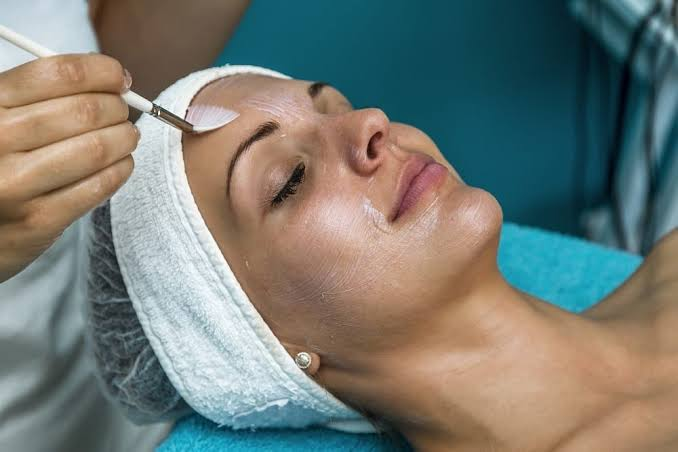
Glycolic acid is an alpha hydroxy acid (AHA) that exfoliates the outermost layer of the skin. During a professional peel, the acid works on the connections between dead or damaged cells, helping them shed more efficiently.As these cells loosen, the skin may become dry, tight, flaky, or visibly peel over the following days. The amount of peeling varies depending on the glycolic acid concentration, application time, skin sensitivity, and the condition being treated.
Is Peeling a Sign That the Treatment Is Working?
Visible peeling is not the only measure of an effective glycolic acid peel. Some people experience noticeable flaking, while others have little or no visible peeling despite receiving an appropriate exfoliating treatment.The skin’s response can depend on:
- Glycolic acid strength and formulation
- Duration of product contact with the skin
- Individual skin sensitivity
- Previous use of exfoliating products
- Skin hydration levels
- Frequency of professional treatments
The goal of a chemical peel is controlled exfoliation rather than excessive irritation.
What Happens to the Skin During the Peeling Process?
After the glycolic acid is applied, it begins interacting with the bonds holding surface skin cells together. Over time, these cells detach and are naturally shed.This process may cause several temporary changes:
- Early sensitivity: The skin may feel warm, tight, or slightly sensitive.
- Dryness: Surface moisture can decrease, making the skin feel rough or tight.
- Flaking: Loose cells may appear as fine flakes or patches.
- Skin renewal: Fresh skin becomes more visible as older surface cells are removed.
The degree and timing of these changes differ between individuals.
How Long Does Skin Peel After a Glycolic Acid Peel?
The peeling phase depends on the strength of the peel and the individual’s skin response. Mild treatments may cause subtle flaking, while stronger professional peels can produce more noticeable shedding.Peeling should be allowed to occur naturally. Pulling, scratching, or manually removing loose skin can increase irritation and may interfere with the skin barrier.
How Should You Care for Peeling Skin?
Proper aftercare helps support the skin barrier while the treated area recovers. Common recommendations may include:
- Use a gentle cleanser without harsh scrubbing.
- Apply a suitable moisturizer to reduce dryness.
- Protect the skin from direct sun exposure.
- Apply broad-spectrum sunscreen as directed.
- Avoid picking or peeling loose skin.
- Pause strong exfoliating products until the skin has recovered.
- Follow the specific aftercare instructions provided by the skincare professional.
Products containing retinoids, strong acids, or other active ingredients may need to be temporarily avoided depending on the peel and individual skin condition.
What If the Skin Does Not Peel?
A glycolic acid peel does not need to produce dramatic visible peeling to provide exfoliation. Some treatments mainly cause subtle shedding that may not be easy to notice.Factors such as peel strength, skin type, product formulation, and treatment goals can influence the visible response. A skincare professional can determine whether the treatment intensity is appropriate rather than relying only on the amount of peeling.
When Should Peeling Be Considered Unusual?
Mild dryness, tightness, and flaking can occur after chemical exfoliation. However, intense or worsening discomfort should not simply be treated as a normal part of peeling.Seek professional guidance if the skin develops significant swelling, severe burning, extensive blistering, signs of infection, or persistent irritation. These symptoms can indicate a reaction that requires assessment.
Frequently Asked Questions
Does glycolic acid peel remove dead skin?
Yes. Glycolic acid helps loosen and exfoliate dead surface skin cells, allowing them to shed more easily.
Can I peel the skin off after a glycolic acid peel?
No. Manually pulling or scratching peeling skin can irritate the treated area and potentially damage the recovering skin barrier.
Does more peeling mean better results?
No. The amount of visible peeling does not directly determine treatment effectiveness. Skin response varies considerably between individuals.
Can I use skincare products while my skin is peeling?
Gentle, hydrating products are generally preferred during recovery, while irritating active ingredients may need to be paused. The appropriate routine depends on the strength of the peel and your skin’s condition.
Conclusion
Skin peeling after a glycolic acid peel occurs because glycolic acid loosens connections between surface skin cells, supporting controlled exfoliation and skin renewal. The visible response can range from mild dryness to noticeable flaking, depending on the treatment and individual skin characteristics. Gentle cleansing, moisturization, sun protection, and avoiding manual peeling are important parts of post-treatment care.
